From your call to the insulation
- 1
Tell us what you notice
Call or message us on WhatsApp and describe which rooms feel hot, when it is worst, and whether the problem seems to be a wall, a window or a pipe.
- 2
We check the place
We look at the sun-facing walls, the windows and the pipe runs, and decide which place needs insulating and which material suits it.
- 3
We prepare the surface and insulate
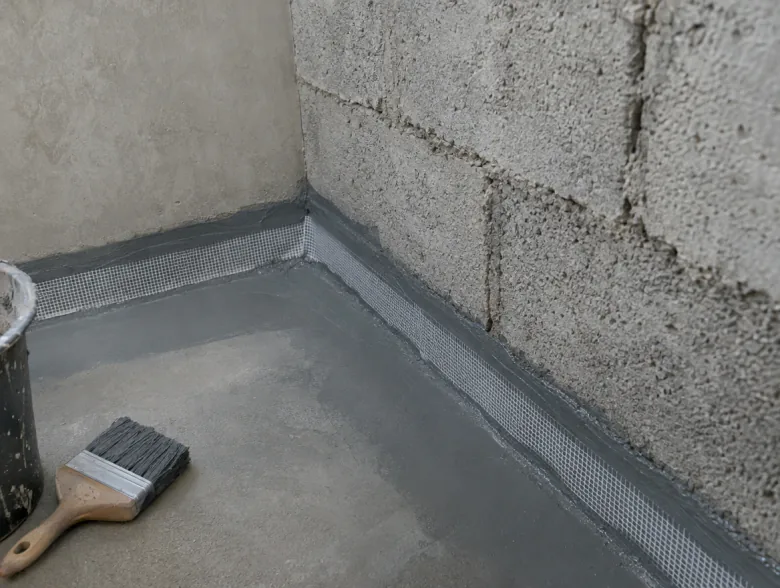
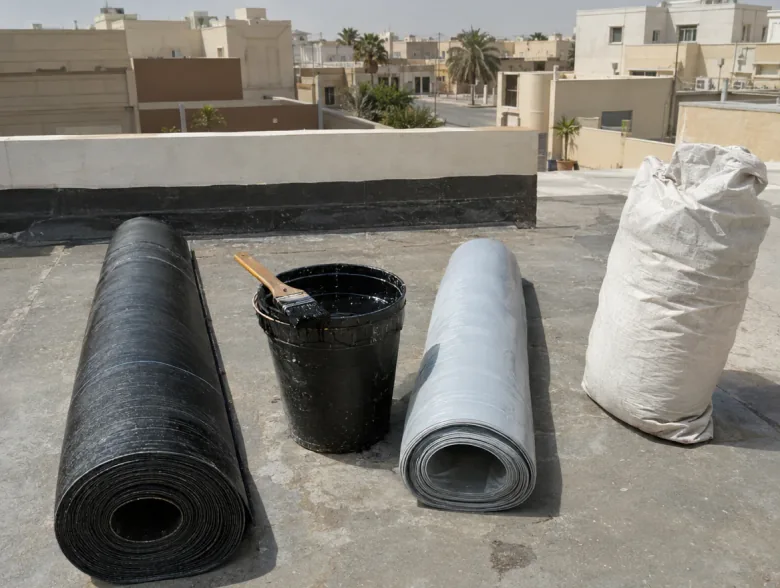
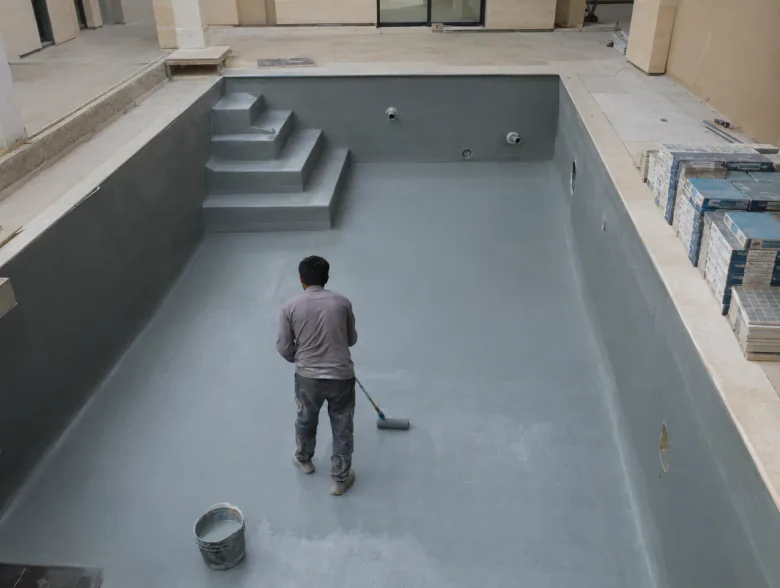
Each material begins with preparing the place: cleaning the wall, fixing the wrap or applying the primer, then the insulation goes over a clean and ready surface.
- 4
We explain what was done
When the work is done we tell you what was insulated and with what material, so you know what you are looking at and what to expect from the treated rooms.
Every place has its right material
- We insulate walls, windows and pipes in one place
- We choose the material for the place, not for what is easiest
- Foam, boards, paint or wraps, matched to the place
- We take your request by phone call or WhatsApp message
- We describe the situation after checking, before any work
The service in Ibn Dihman
Homes in a small settlement like Ibn Dihman are often adjacent on low ground, and their exterior walls face direct sun and hot air. Damp and salts in the ground affect lower walls, weakening their insulation ability. The team inspects walls inside and out, joints and cracks, and the position of pipes and tanks if any. Before applying any insulation, the team ensures the surface is free of damp and damage.
Ibn Dihman is a small settlement in Al-Ahsa governorate in the Eastern Province, close to Muraytibah, Sudah and Al Jishshah.
Lower walls in settlements on Al-Ahsa ground are prone to damp and salts, and this is checked first before thermal insulation begins.
Our portfolio














What our customers say
- ★★★★★
ممتاز والخدمة ان شاء الله تكون قد التوقعات
- ★★★★★
شكرا على التواصل وصلو في اسرع وقت ممكن
- ★★★★★
شركه ممتاز شغلهم كويس ويعطيهم العافيه
Reviews are shown as the customers wrote them, in Arabic.
Questions about Thermal insulation in Ibn Dihman
A wall absorbs heat, stores it and releases it inward, so it is treated with boards or foam that slow heat transfer through the material. Glass allows direct solar radiation to pass through, so it is treated with films or coatings that reflect or reduce that radiation. Each has a different cause and a different treatment.
Usually not. Insulating paint is a thin coating that reduces heat absorption on an outside wall and suits light renovation, but a wall that lets a large amount of heat through needs boards or foam of adequate thickness. Paint is right for reducing heat, not for full insulation.
The outside walls that face the sun come first, especially the west and south-west walls. Next are walls next to unconditioned spaces such as corridors and built-in storage. Internal walls between two air-conditioned rooms are a lower priority.
Because the cold surface of the pipe touches warm humid air, so water vapour condenses on the outside of the pipe wall. This often happens with exposed pipes under sinks or in unconditioned spaces. An insulating wrap cuts the contact between the cold pipe and the outside air and stops the condensation.
Yes. Hot water pipes are insulated to keep the water hot as it travels, and cold water pipes are insulated to prevent condensation. Air-conditioning pipes carry refrigerant and need a wrap that stops heat gain along the exposed run. The material and thickness differ according to the purpose.
Usually yes, because aluminium conducts heat well, and many older aluminium frames have no thermal break between the outside and the inside face. Single thin glass also passes solar radiation easily. Treating the glass with a reflective film reduces this without needing to change the frame.
Tell us which rooms or spaces feel very hot, at what time of day it is worst, and whether the problem is near an outside wall, a large window or an exposed pipe. These details help us decide which service under our thermal insulation work fits your situation.
Yes, damp and salts weaken the effect of any insulation. So the team inspects the walls first, and the home may need damp treatment before thermal insulation is applied.
Tell which rooms are hottest and which way they face, whether you see damp stains or discoloration on lower walls, whether there are cracks or joints, and send a photo of the exterior walls on WhatsApp if you can.
More services in Ibn Dihman