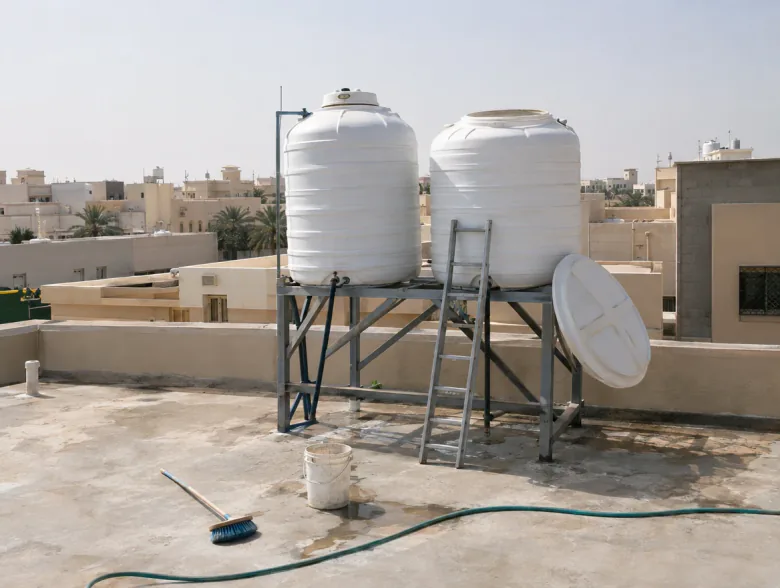
What overhead tank cleaning includes
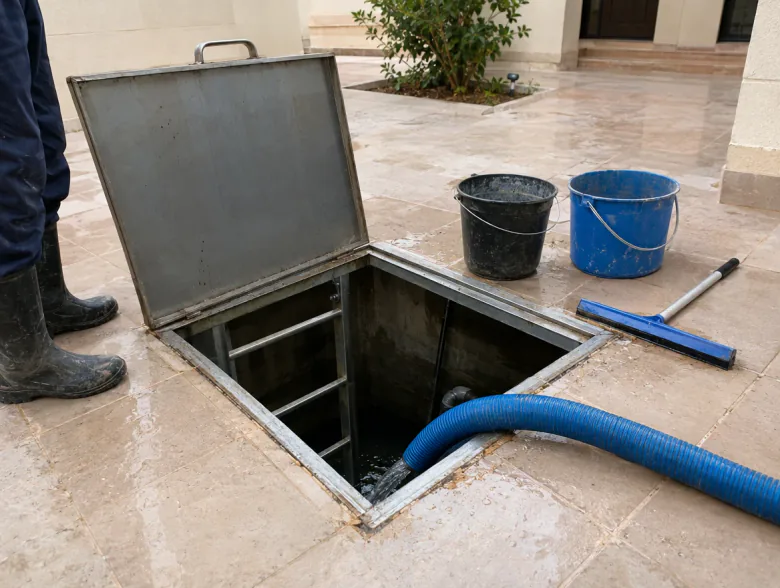
- Emptying the tank before any work begins inside it
- Checking the lid, the float and the water outlet and noting their condition
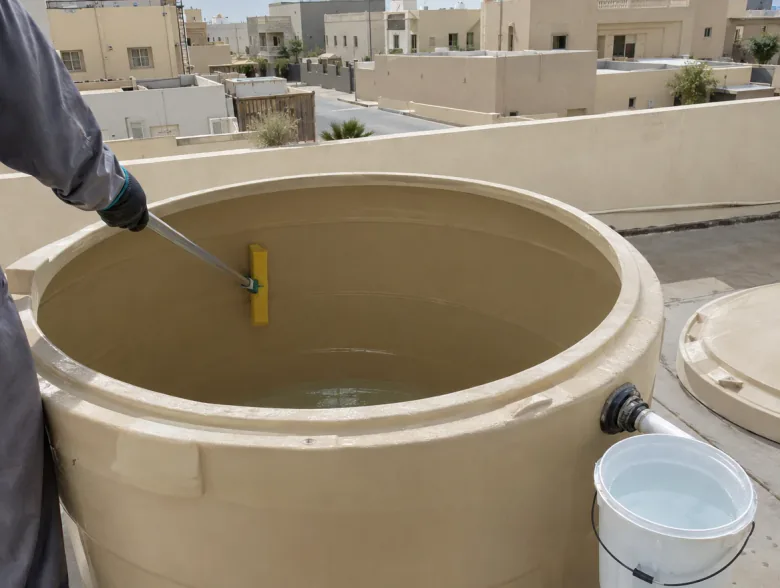
- Removing algae from the inner walls and floor of the tank with suitable tools
- Cleaning the bottom corners and sides where fine sediment collects
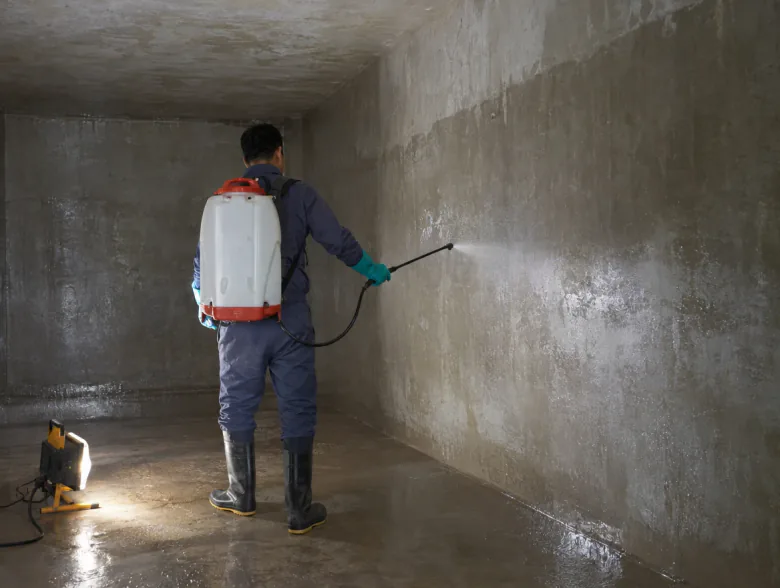
- Rinsing the whole tank after cleaning to remove all traces of sediment
- Informing the householder of anything noted about the condition of the tank or its lid
How overhead tank cleaning works
- 1
Tell us what you notice
Call or message us on WhatsApp and tell us the tank type and what you have noticed in the water or on the outside of the tank, so we arrive prepared.
- 2
Emptying and first check
The tank is emptied, then the lid, the inner walls, the float and the water outlet are checked before cleaning begins.
- 3
Cleaning the inner walls
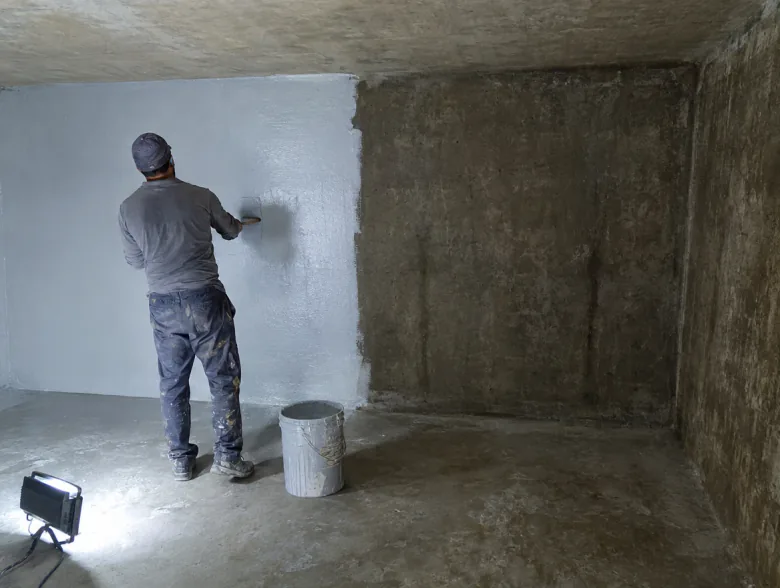
Algae and accumulated sediment are removed from the walls and floor of the tank with suitable tools, with particular care given to the bottom corners where sediment collects.
- 4
Rinsing and restart
After cleaning the tank is rinsed thoroughly so no trace of sediment or cleaning remains, then it is refilled.
An overhead tank is different, and so is cleaning it
- We clean plastic and concrete tanks on the roof
- We check the lid, float and outlet during the clean
- Algae on the wall need scrubbing, not just rinsing
- We take your request by phone call or WhatsApp message
- We inspect and clean the tank as one job
The service in Muraytibah
In a small settlement like Muraytibah, homes rely on overhead tanks on rooftops, exposed to sun heat and fine dust all year. Al-Ahsa has salty groundwater, so you may see salt deposits on the tank walls or base. When dust, salt and dirt build up, the water clouds up or smells odd. The team inspects from outside first, then goes inside to remove deposits, and checks the walls, base and foundation. The first inspection shows how much cleaning is needed.
Muraytibah is a small settlement in Al-Ahsa governorate in the Eastern Province, close to Sudah, Al Ghuwaybah and At Taraf.
Salt and deposits concentrate at the tank base and walls where water stays longest.
Our portfolio















What our customers say
- ★★★★★
شركه ممتازه
- ★★★★★
شغلهم ميه ميه يشكرو عليه
- ★★★★★
شغلهم نظيف وسريعين ومحترمين الله يعطيهم العافيه
Reviews are shown as the customers wrote them, in Arabic.
Questions about Overhead tank cleaning in Muraytibah
Algae grow when light, water and warmth come together. An overhead tank sits in full sun and its plastic walls are often pale or translucent, letting light through and encouraging algae on the inner wall. A ground tank is buried or enclosed and receives too little light for algae to take hold.
Overhead tank lids are often not fully airtight, or they have a small vent. Fine dust enters through these points over time and settles on the tank floor. The seasonal winds bring more dust onto the roof, adding to what reaches the tank.
Yes. A small tank is cleaned entirely through the top opening. A larger tank may need entry through the hatch or longer tools to reach the floor and corners. In both cases the work starts with a full empty and a check before cleaning begins.
Yes. The lid is the main entry point for dust and insects, and it is checked during the clean to see that it closes properly. If it is cracked or loose, that is a main reason for the water being contaminated again and the householder is told about it.
Tell us the tank type if you know it, plastic or concrete, and what you have noticed in the water or on the outside of the tank such as a colour, a smell or algae showing through the wall. Tell us your location so we know what the job needs before we arrive.
Groundwater in Al-Ahsa holds natural salts, and when it sits in the tank in heat, salts deposit on the walls and base. Cleaning removes these deposits, but they may return over time.
Say where the tank is, whether you see white deposits or cloudy water, if there is an odd smell, and send a photo of the tank on WhatsApp if you can.
More services in Muraytibah