What shinko insulation includes
- Checking the sheets and identifying open laps and bolt holes before spraying
- Cleaning the surface, treating rust and securing loose panels to prepare for foam
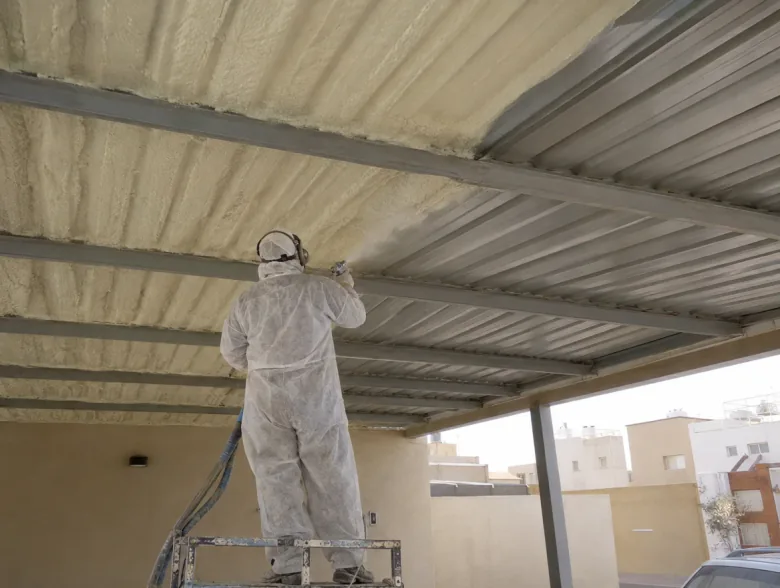
- Spraying polyurethane foam onto the sheets so it flows into laps and holes and sets as a seamless layer
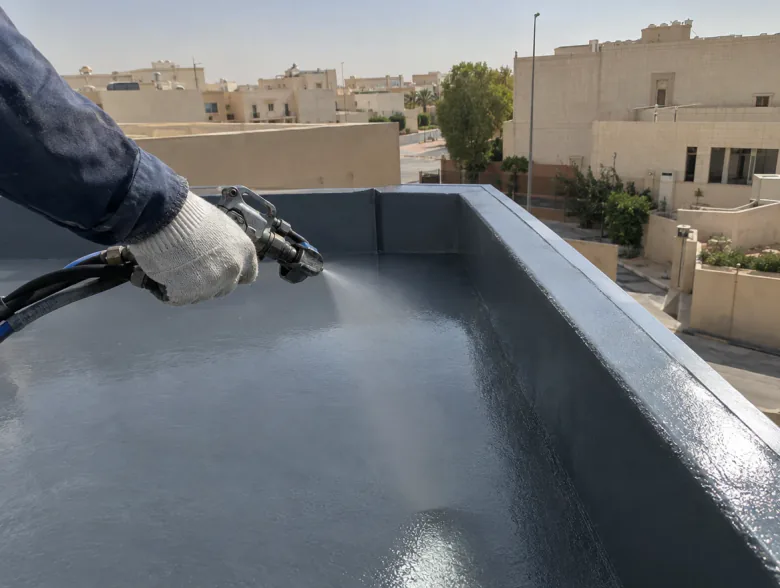
- Applying a finish coat over the foam to protect it from sunlight and breakdown
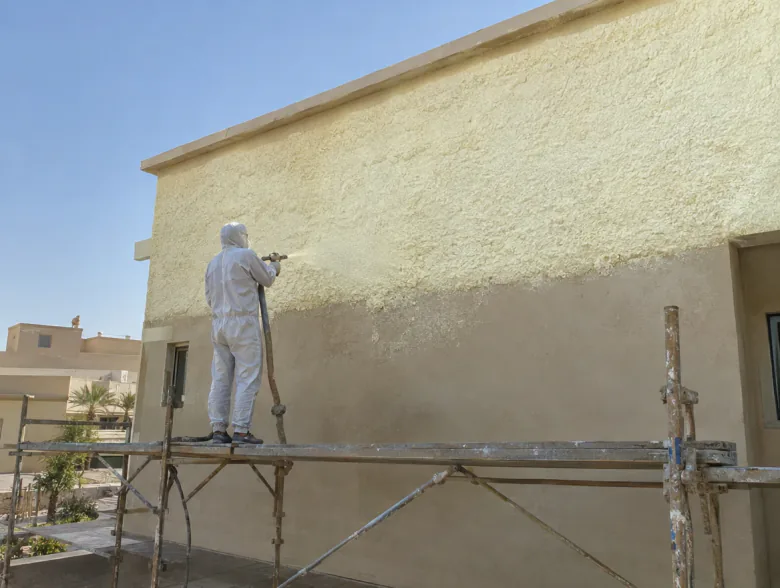
- Treating sun-facing shinko walls in the same way when that is part of the job
- Answering your questions about corrugated-sheet (shinko) insulation before the work starts
From your call to an insulated roof
- 1
Tell us what you have
Call or message us on WhatsApp and describe the sheet area, whether the problem is heat, leaks or both.
- 2
Preparing the surface
The sheets are cleaned, any loose panel is secured and rust is treated before spraying, because the foam layer needs a sound surface under it.
- 3
Spraying the foam
Foam is sprayed across the sheets in steady passes, expanding to fill laps and holes and setting as a continuous layer that insulates against heat and resists rain.
- 4
The protective coat
A finish coat is applied over the foam to protect it from sunlight and wear, because bare foam breaks down over time under ultraviolet rays.
Why foam suits metal sheets
- It flows into laps and bolt holes, leaving no gap
- A seamless layer with no joints or exposed edges
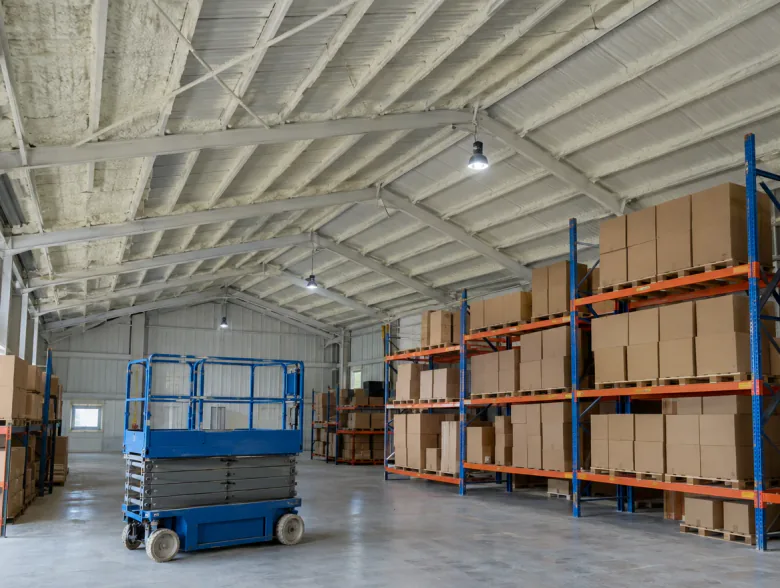
- Insulates against heat and reduces drum noise together
- We treat annexes, car shelters and corrugated roofs
- We take your request by phone call or WhatsApp message
The service in Al-Hofuf
In a city like Al-Hofuf, corrugated shinko roofs transmit heat and cold easily to the rooms below, and water and air enter through the gaps between sheets. Insulation requires cleaning the surface and checking the structure is sound, then spraying foam evenly so it bonds to the shinko and seals every gap. The seasonal damp and salt air of Al-Ahsa speed up shinko corrosion, so insulation also protects against moisture pooling beneath it.
Al-Hofuf is a city in Al-Ahsa governorate in the Eastern Province, close to Al Shagaibiyah District, Historical Center Hafuf District and As Salhiyah District.
Thin shinko sheets transfer every outdoor temperature swing into the house within minutes.
Our portfolio















What our customers say
- ★★★★★
شكرا على التواصل وصلو في اسرع وقت ممكن
- ★★★★★
شركة ممتازة تستحق التعامل معها بشكل مستمر
- ★★★★★
شركه ممتازه
Reviews are shown as the customers wrote them, in Arabic.
Questions about Corrugated-sheet (shinko) insulation in Al-Hofuf
Spraying works from both sides depending on the situation. Spraying underneath insulates against heat, reduces noise inside the annex and stays protected from the sun by the sheets above. Spraying on top adds waterproofing and covers laps and holes. When the problem is both heat and leaks, the job often involves both sides.
The lap between two overlapping sheets is not automatically tight: heat expands the metal and cold contracts it, so laps move and small gaps open over time. Bolt holes also widen with repeated expansion. These entry points are not visible to the eye but they let water through, especially when rain comes with wind.
Yes. The foam bonds to the sheet and absorbs the vibration that turns raindrops into a drumming sound. The seamless layer stops the sheet resonating the way it does when bare. This is one of the noticeable changes for anyone who uses the annex or shelter regularly.
It suits the walls too. A shinko wall facing the sun absorbs heat and passes it straight inside, and its laps and bolt holes let in air and moisture just like the roof. Foam is sprayed onto the wall in the same way and a protective coat is added over it.
Tell us whether the problem is heat, leaks or both, whether the sheets are on the roof or the walls or both, and whether you can see rust, open laps or loose bolts. The clearer your description, the better we can work out what the surface needs before we visit.
Yes, foam is sprayed under the shinko directly after the surface is checked and cleaned. The foam bonds to the shinko from inside and seals the gaps, so nothing needs to be removed.
Rain enters the gaps between sheets and damp air condenses on them, and salt in the air accelerates corrosion. Foam prevents water pooling under the shinko and reduces condensation.
More services in Al-Hofuf
Corrugated-sheet (shinko) insulation in nearby areas
