
What roof heat insulation includes
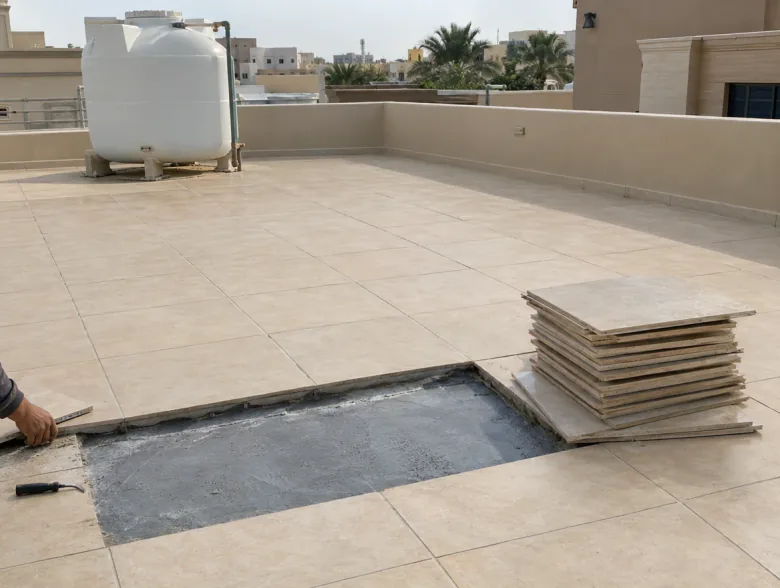
- Checking the concrete roof condition to identify what needs treating before insulation
- Finding cracks and joints that need repair before the layer goes on
- Preparing, cleaning and levelling the surface so the layer bonds properly
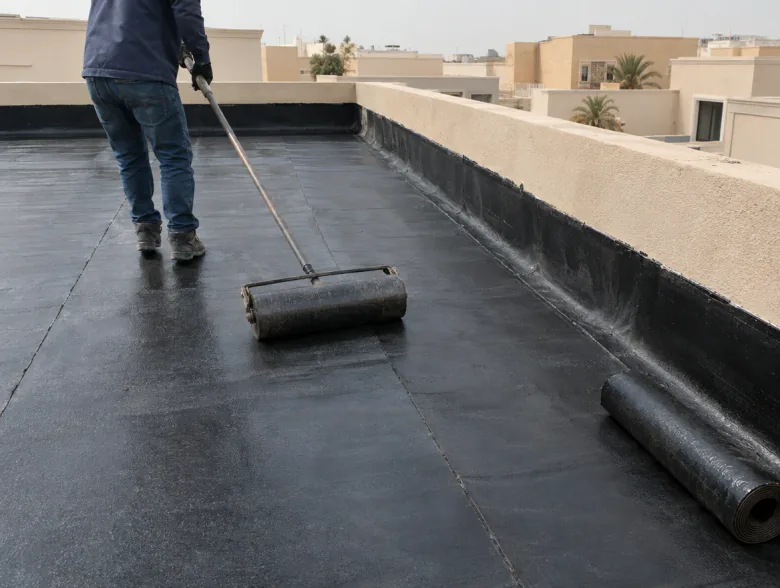
- Applying sprayed polyurethane foam or epoxy coating according to the roof condition
- Covering edges, joints and the base of the parapet to complete the insulation
- Treating any water leak found during inspection before the heat insulation is finished
From your call to an insulated roof
- 1
Tell us what you feel
Call or message us on WhatsApp and describe which floor gets hot and which rooms are affected, and we will decide with you what needs to be checked.
- 2
We inspect the roof first
We check the roof condition before anything else, because a roof with cracks or standing water needs waterproofing before the heat-insulating layer goes on.
- 3
We prepare the surface
The job involves cleaning the surface and levelling what needs levelling, because a layer only works as it should on a clean and ready surface.
- 4
We lay the heat-insulating layer
We choose between sprayed polyurethane foam and epoxy coating according to the roof condition and what is needed, and we cover the whole area including the edges and joints.
An insulated roof makes a difference in the rooms below
- We inspect the roof before insulating to choose the right layer
- Polyurethane foam covers edges, joints and corners
- Epoxy is a hard coating that reflects heat and protects the surface
- We treat cracks and leaks before the heat-insulating layer goes on
- We take your request by phone call or WhatsApp message
The service in Haradh
Homes in a town like Haradh usually have a flat roof, the largest area bearing summer sun heat. The roof usually has a parapet, water drains, one or more tanks on it, and possibly a stair cover. Each of these parts creates a joint where heat and moisture enter. Sprayed foam covers the roof with a continuous layer, avoiding cutting into panels, which suits roofs with many angles and joints. Before starting, the roof must be dry and clear of any damp or loose material.
Haradh is a town in Al-Ahsa governorate in the Eastern Province, close to Ash Shuruq, Al Ekhaa and Ar Rabie.
Joints between the roof, parapet, drains and tanks are where the most care is needed when applying foam.
Our portfolio














What our customers say
- ★★★★★
ممتاز والخدمة ان شاء الله تكون قد التوقعات
- ★★★★★
شكرا على التواصل وصلو في اسرع وقت ممكن
- ★★★★★
شركه ممتاز شغلهم كويس ويعطيهم العافيه
Reviews are shown as the customers wrote them, in Arabic.
Questions about Roof heat insulation in Haradh
Heat insulation aims to stop the sun's heat passing from the concrete roof into the rooms below, which shows in the top floor in summer. Waterproofing aims to stop water entering through cracks and joints. A roof often needs both, and inspection decides which comes first.
A layer on its own does not seal cracks; it goes on a ready surface. If the roof has cracks or areas that have held water before, treating them comes before the heat-insulating layer, otherwise the problem stays under the new layer.
Polyurethane foam is a sprayed foam layer that fills edges, corners and joints and insulates well. Epoxy is a resin that is applied as a coat and hardens, reflecting heat and protecting the concrete. Choosing between them depends on the roof condition and what it needs.
Roof heat insulation treats the transfer of heat through the concrete into the rooms below. Wall dampness has its own causes, often water entering through joints or cracks in the wall or roof. Inspection identifies the source of the dampness before any treatment.
Heat insulation suits exposed concrete roofs where heat transfer is the main problem. If the roof has wide cracks, standing water or a badly worn old layer, the work starts with assessing the roof condition and deciding what to treat first before the right heat-insulation method is chosen.
If the ceiling is hot to touch in summer, the top room stays warm for hours after sunset, or you see damp patches on the ceiling when rare rain falls, the roof needs insulation.
The roof is checked for cracks, joints around the parapet, drains and tanks, and for damp or water leaks, because foam is sprayed only on a sound, dry surface.
More services in Haradh
Roof heat insulation in nearby areas
