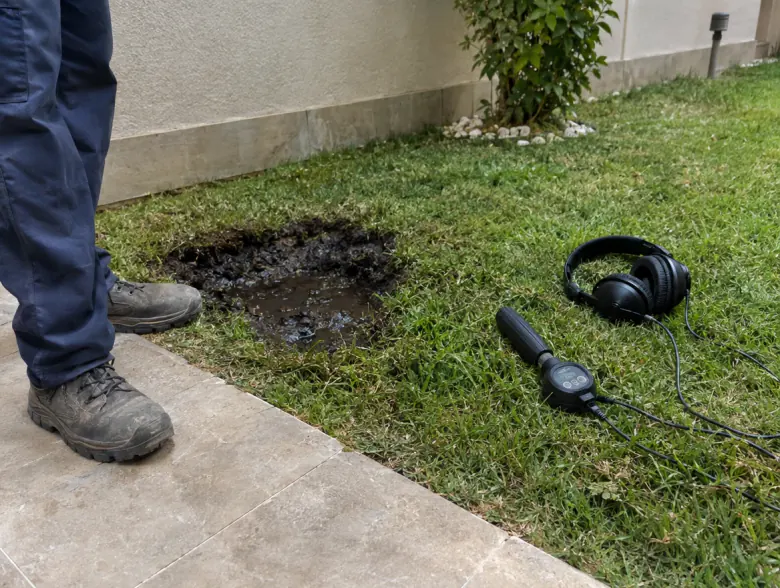
From your call to knowing the position
- 1
Tell us what you notice
From Umm Rubay’ah, one call or WhatsApp message at any hour is enough: tell us what you see and where it shows.
- 2
We check the network with instruments
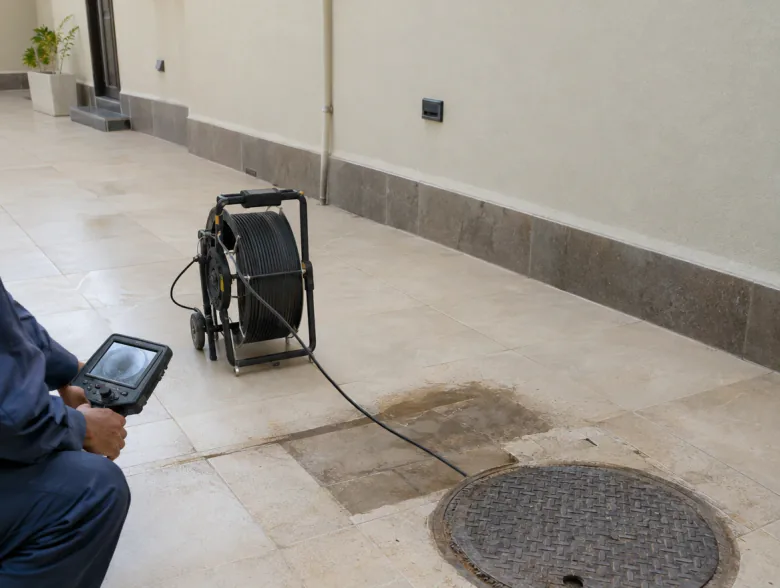
We trace the buried pipes and pass detection instruments over the suspected area without digging or breaking anything.
- 3
We pinpoint the leak
We tell natural soil moisture apart from the actual break in the pipe, because water often travels away from where it first leaves the pipe.
- 4
You receive a certified report
After inspection you receive a certified report with the leak's position and cause, and you decide the next repair step.
Know the source before you dig
- We take your request by phone call or WhatsApp message
- We reach Umm Rubay’ah as we reach every city and centre of Al-Ahsa
- We tell soil moisture apart from an actual pipe break
- We find the leak in buried pipes without digging
The service in Umm Rubay’ah
In a village like Umm Rubay'ah, networks run underground from the house to the tank or the street, and years of soil, heat and pressure weaken pipes and joints. Damp may not show on the surface right away if soil around the pipes absorbs the water, but the water meter records it. Finding the leak needs instruments to map the network and pinpoint where water escapes. Then repair steps can be planned. The first inspection decides whether the leak is in pipes, joints or under the foundation.
Umm Rubay'ah is a village in Al-Ahsa governorate in the Eastern Province, close to Umm al Hamam, UmmTali and 'Uray'irah.
Finding a leak under the ground starts with the water meter reading and looking for wet patches, then moves to scanning the network itself with instruments.
If you are near Umm Rubay’ah, in Umm al Hamam, UmmTali and ’Uray’irah for example, the service reaches you there too.
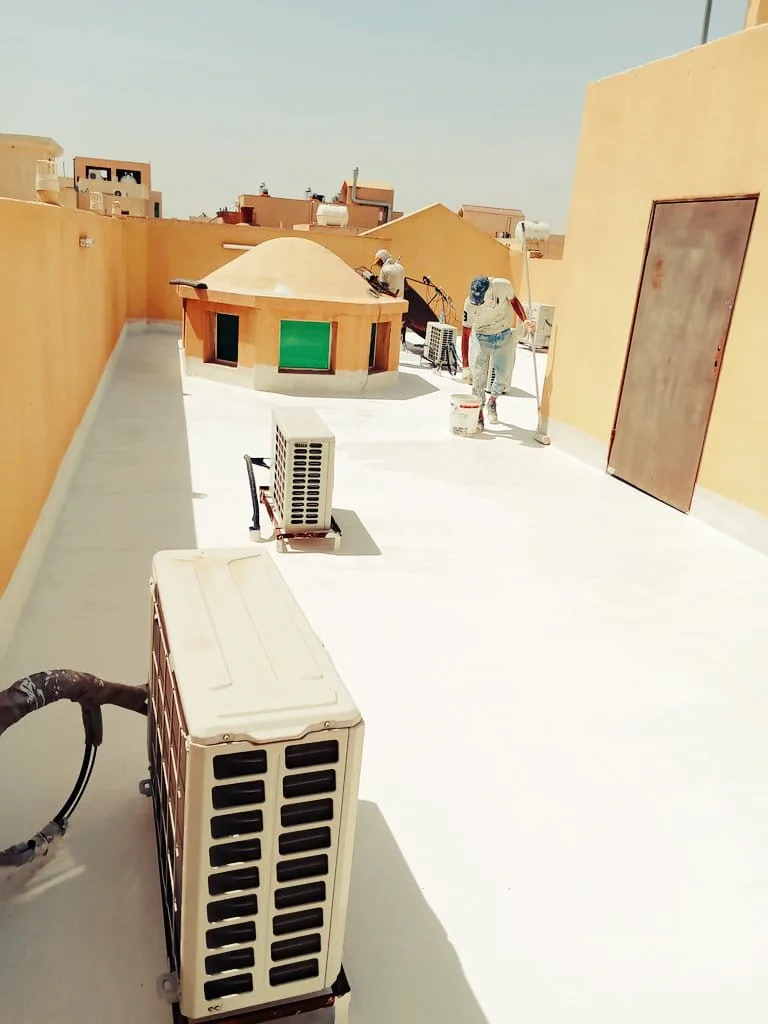
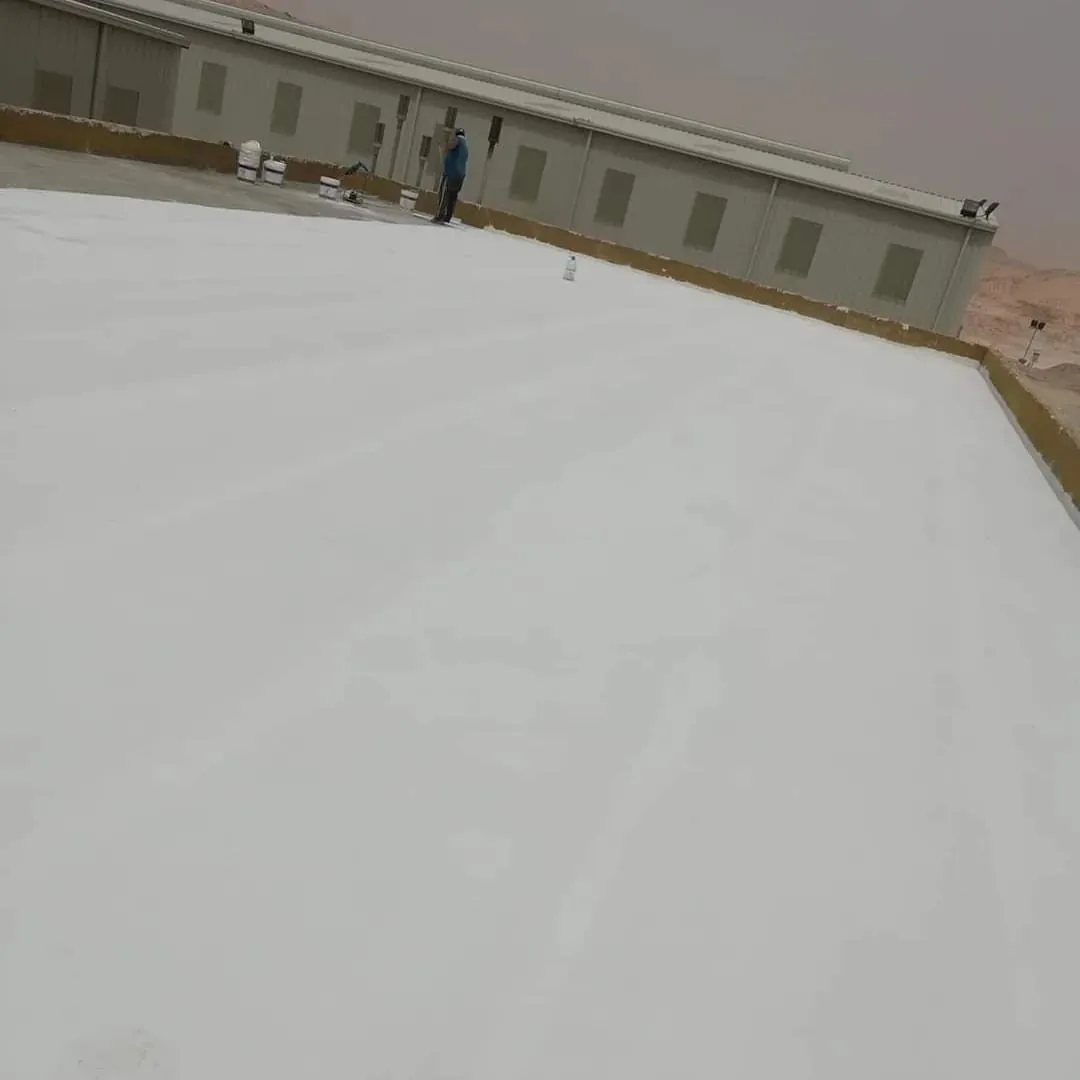
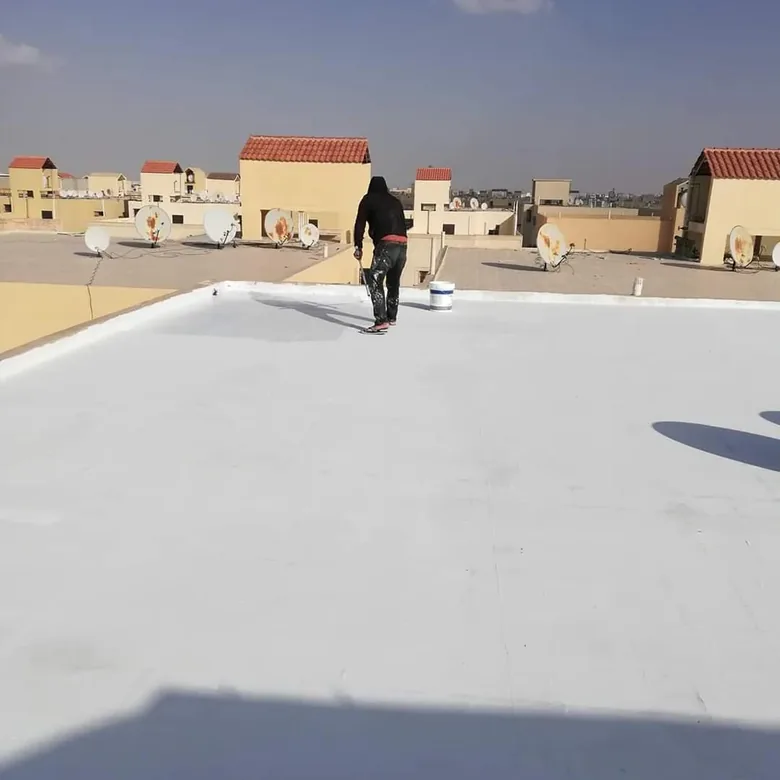
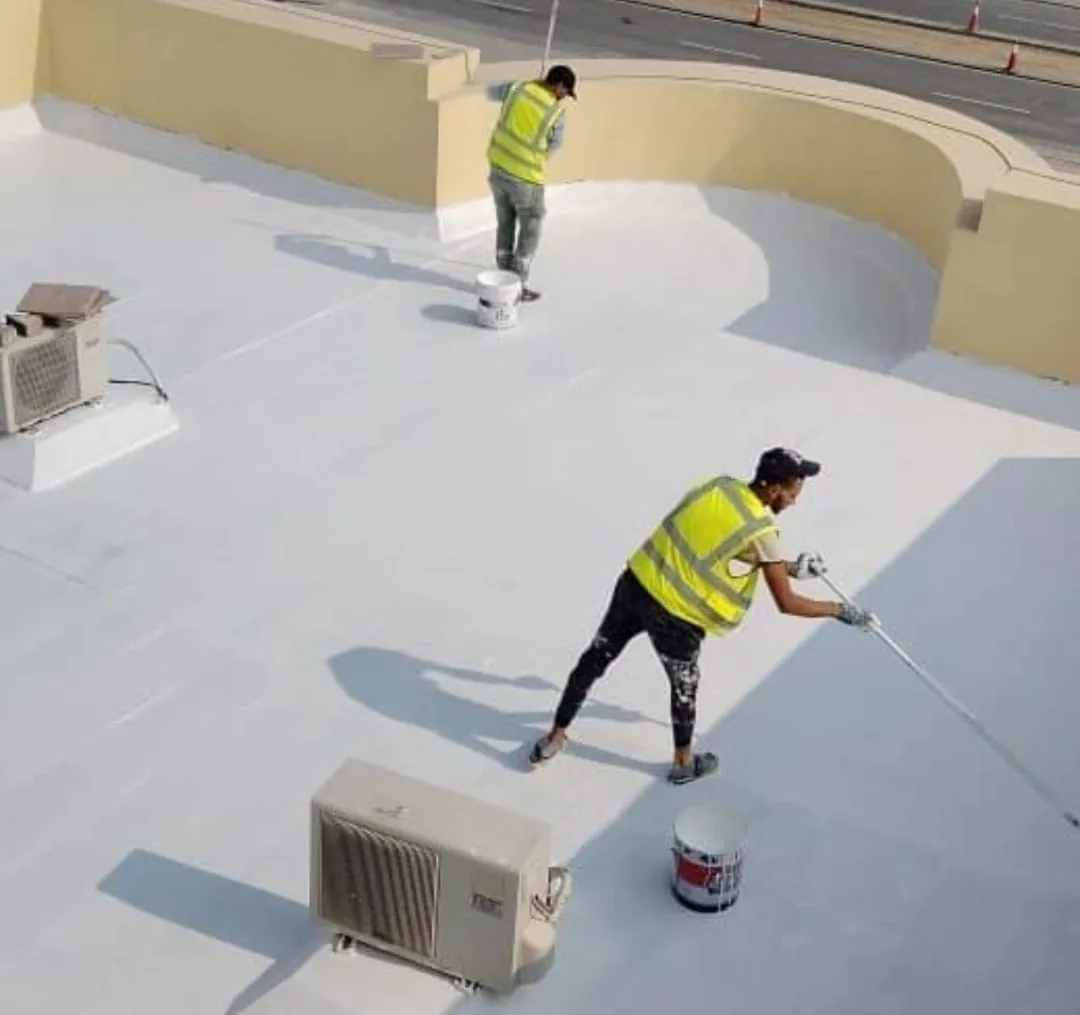
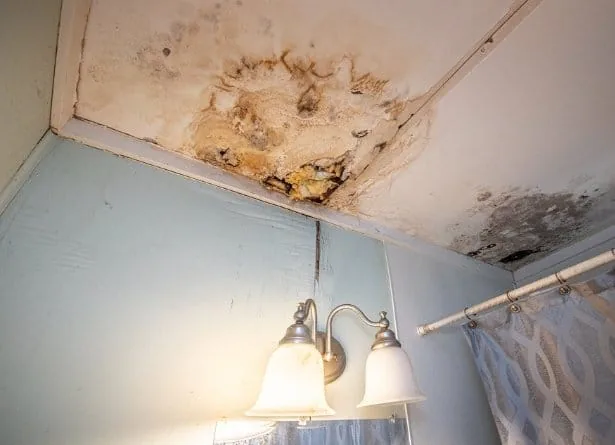
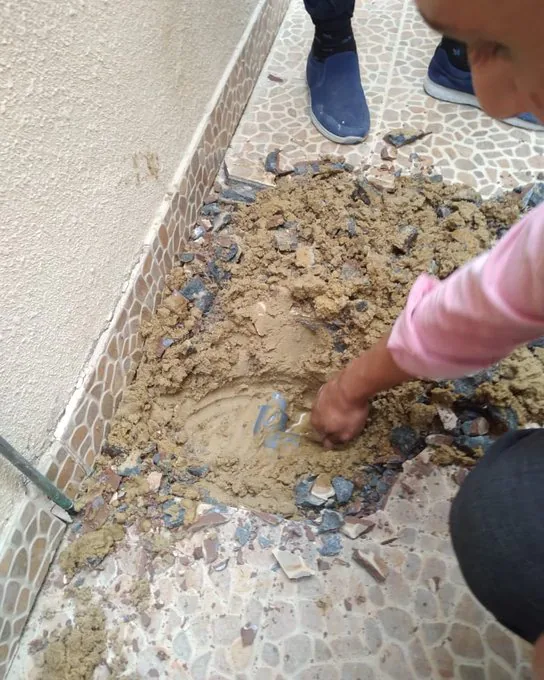
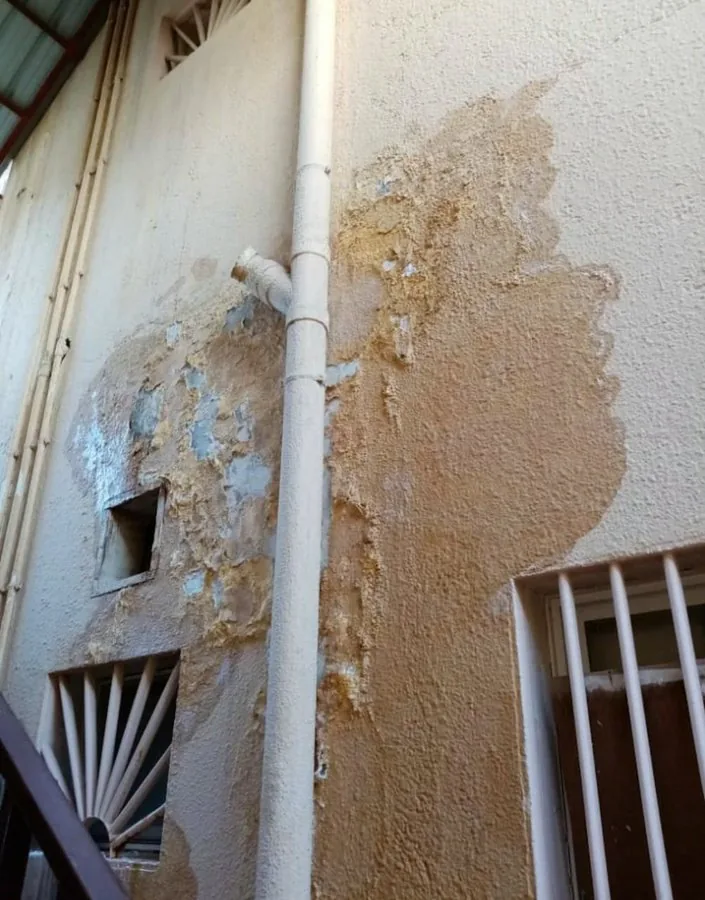
Our portfolio
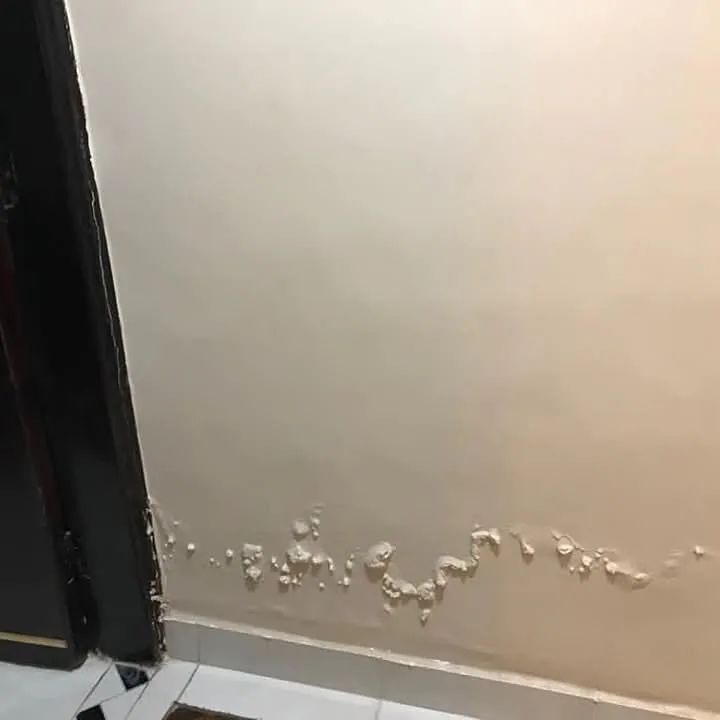
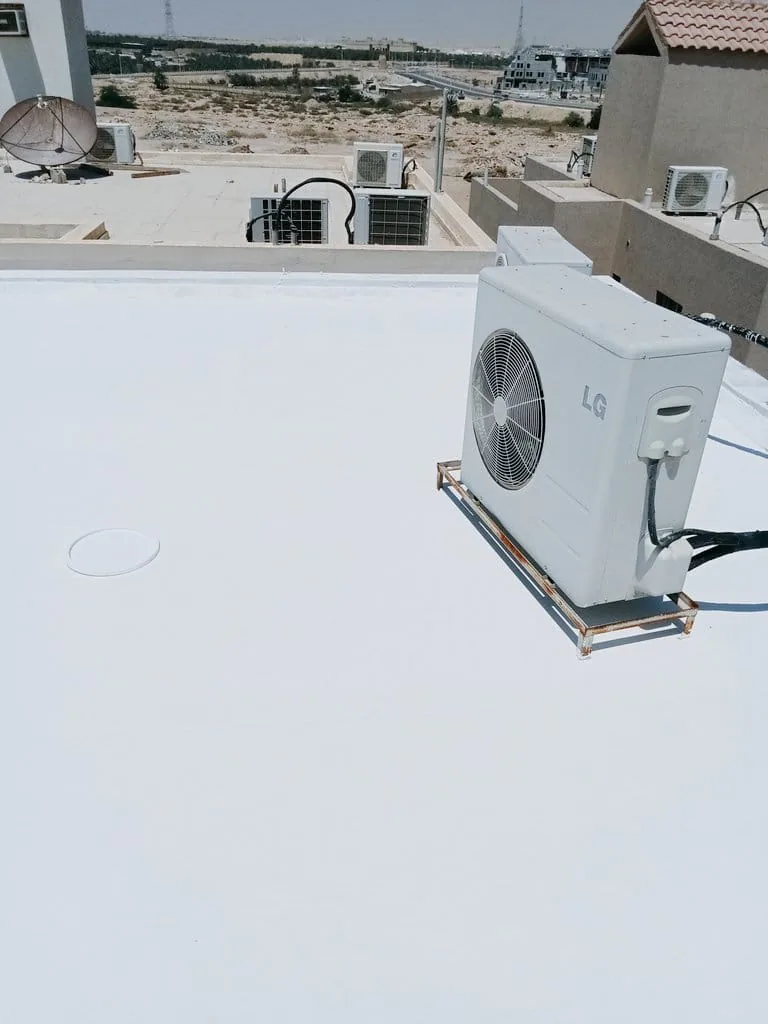
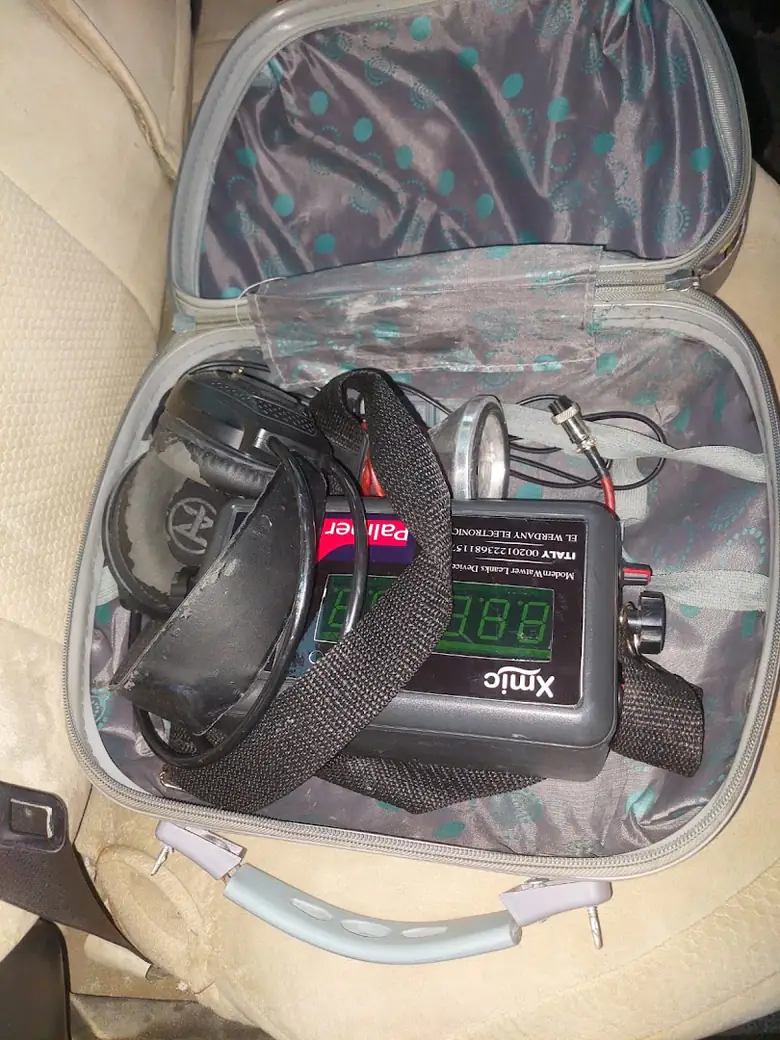
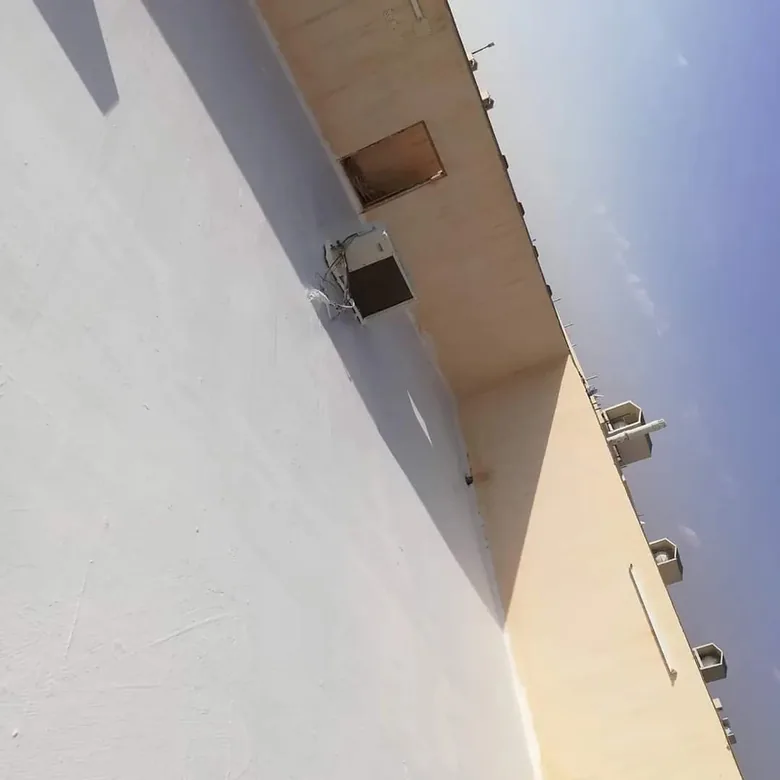
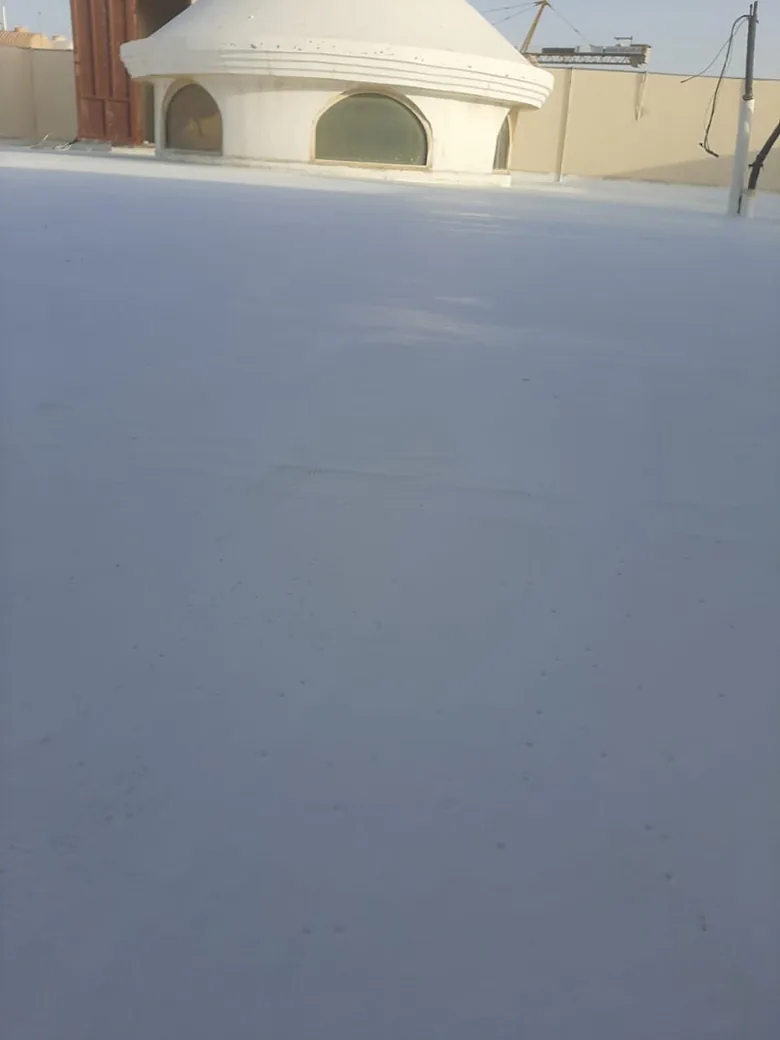
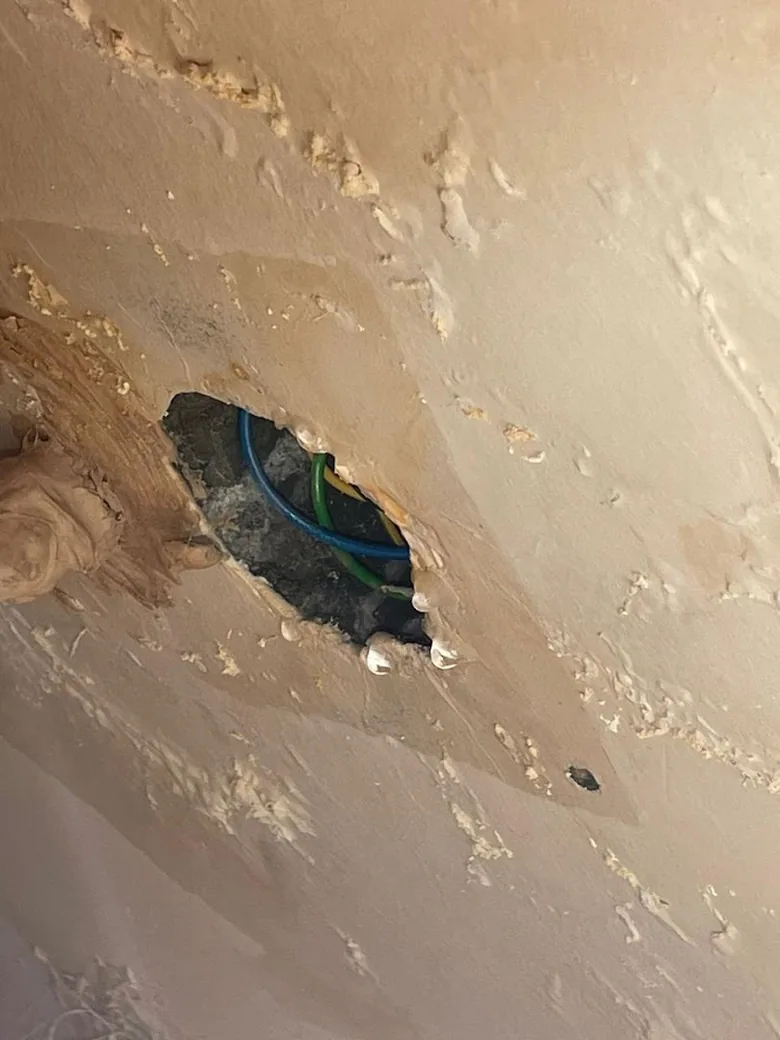
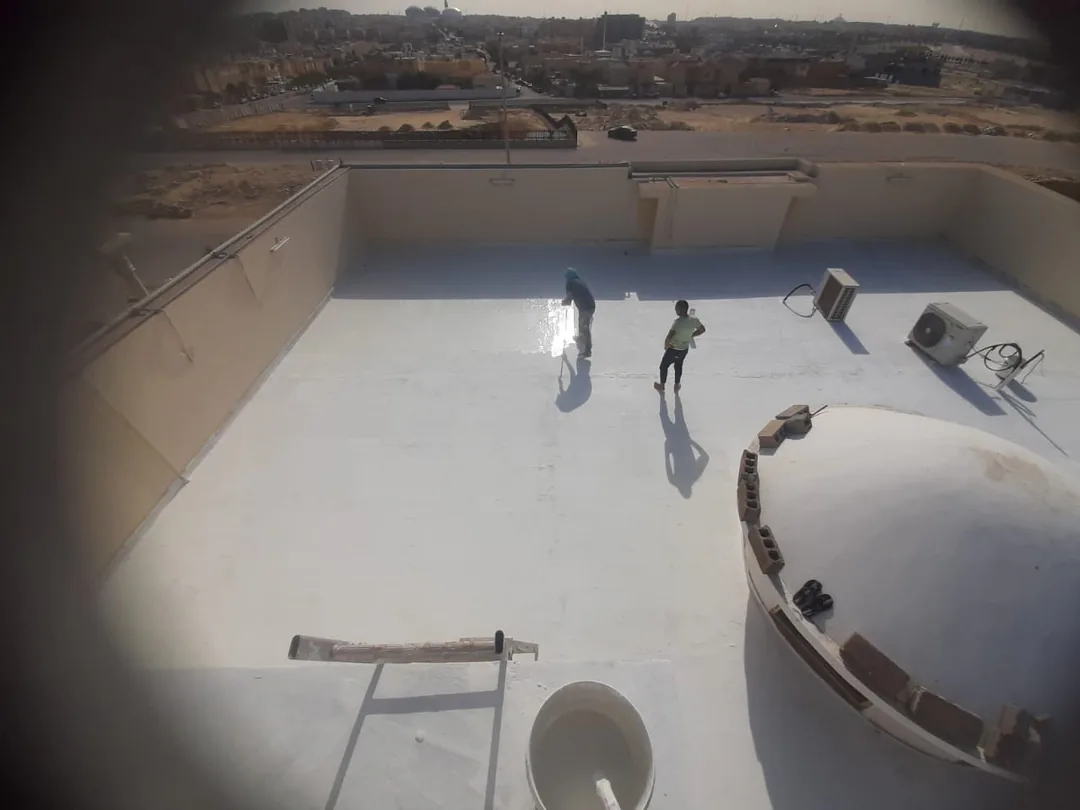
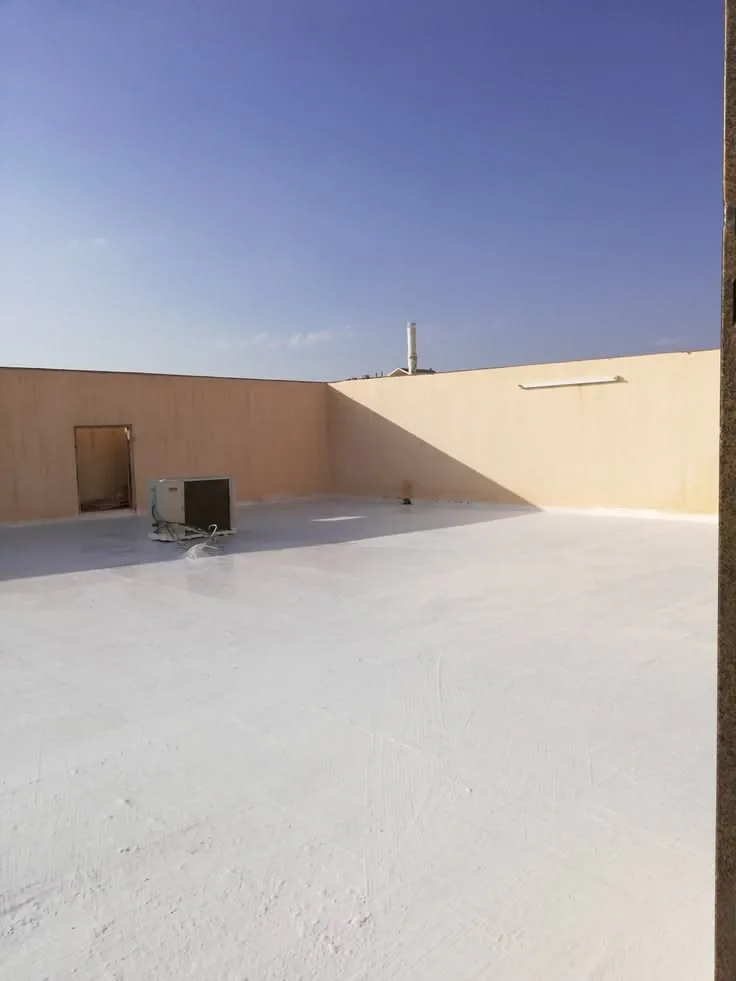
What our customers say
- ★★★★★
شغلهم ميه ميه يشكرو عليه
- ★★★★★
ممتاز والخدمة ان شاء الله تكون قد التوقعات
- ★★★★★
شكرا على التواصل السريع
Reviews are shown as the customers wrote them, in Arabic.
Questions about Underground pipe & network leak detection in Umm Rubay’ah
If you shut the main valve after the house and the meter still moves, the leak is underground. Also, if you see damp in the yard far from visible pipes, the buried network is leaking.
Tell them when the meter started running oddly, whether you see damp patches in the yard or around the foundation, where the tank and main valve are, and send photos of any wet areas on WhatsApp.
A wall pipe usually shows its trace on a nearby surface as a damp stain or peeling paint. A buried pipe loses its water into the soil around it, so the trace appears on an outdoor surface or in the water bill rather than on walls. Instrument checks tell which one is the source.
Yes. Detection instruments trace buried pipes and find the leak even when the homeowner does not know exactly where the pipes run. Knowing the route in advance speeds the check, but it is not a requirement.
When the meter moves with all outlets closed, water is leaving somewhere else, usually a buried pipe or a failed joint before the house. The longer it goes unchecked, the more water is wasted and the weaker the pressure inside the building.
Yes. Umm Rubay’ah is one of our service areas in Al-Ahsa, together with Umm al Hamam, UmmTali and ’Uray’irah.
More services in Umm Rubay’ah
Underground pipe & network leak detection in nearby areas