What ground tank waterproofing includes
- Checking the tank walls, base and cold joints for cracks and weak points
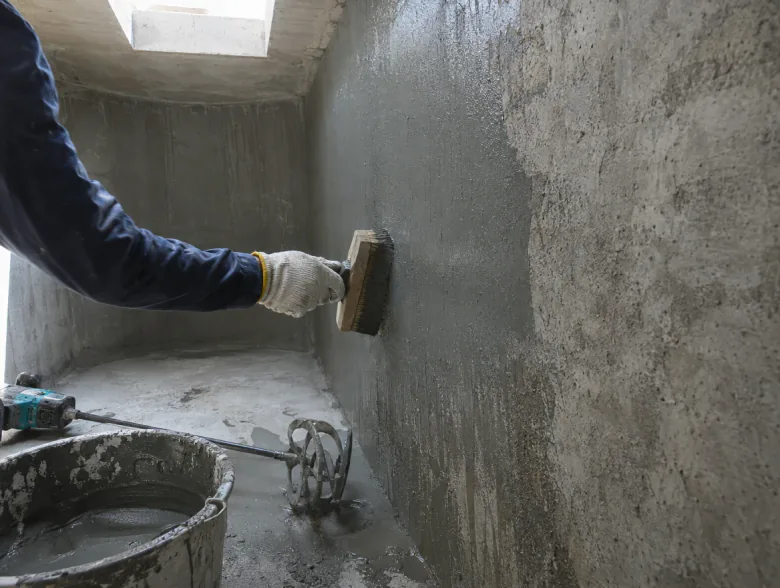
- Cleaning and preparing the internal surface before any treatment or material is applied
- Sealing fine cracks and the cold joint between the wall and the base before waterproofing
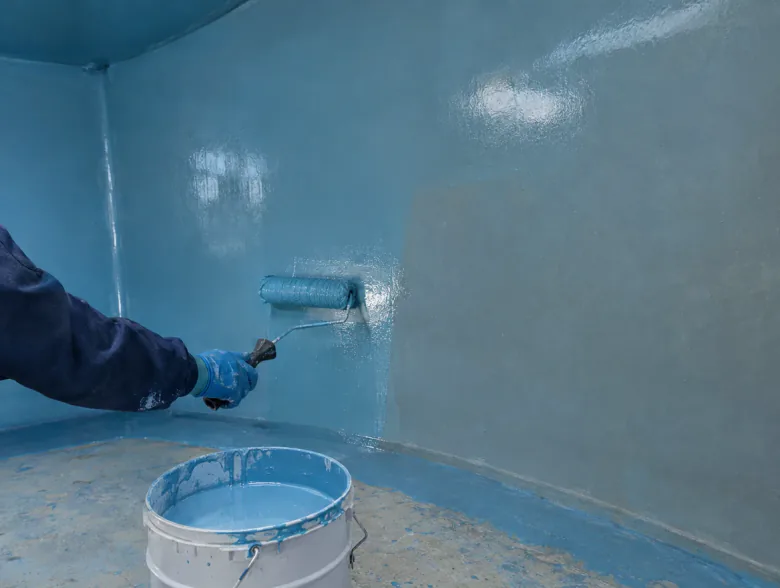
- Treating the internal walls with a lining that can carry the pressure of stored water
- Treating the base and the transition zone between wall and base as a single unit
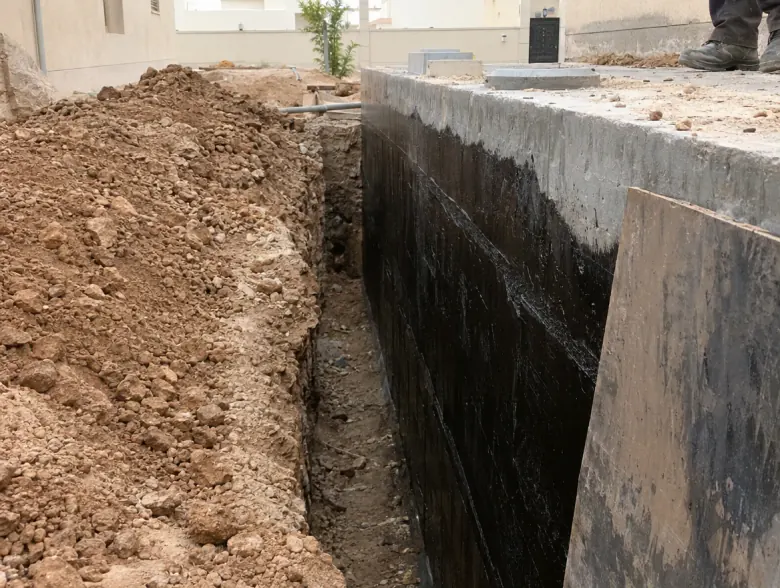
- Assessing the external wall condition where damp soil pressure is a factor in the leak
How the work goes
- 1
Tell us what you notice
Call or message us on WhatsApp and tell us where the leak shows in the tank and whether you notice damp in the surrounding soil or a drop in the water level.
- 2
Inspecting the tank and walls
The job starts with checking the walls, the base and the cold joints for cracks and weak points before any lining is applied.
- 3
Preparing the surface
Surface preparation includes cleaning the walls and sealing cracks and any gap in the joints, because a lining is only as good as the surface it goes onto.
- 4
Applying the waterproofing
The walls and base are treated as one unit, with particular attention to the cold joint zone between the wall and the base as it is the area most exposed to leaks.
What makes this treatment reliable
- We treat the base and walls as one unit
- We seal cold joints before waterproofing
- We choose a material suited to soil pressure
- We take your request by phone call or WhatsApp message
- Reach us by call or WhatsApp
The service in Ash Shuruq
Ground tanks in districts like Ash Shuruq carry the weight of water and soil pressure, causing fine cracks in the base and where the walls meet it. Water seeps through these cracks into the foundation and walls, causing damp in lower rooms or foundation damage. Inspection begins by checking the base and walls inside and out, then the area is cleaned, cracks are sealed with flexible filler, and layers of epoxy and bitumen are applied to waterproof it.
Ash Shuruq is a district in Al-Ahsa governorate in the Eastern Province, close to Al Muruj, Al Yasmin and Ar Rabie.
The joints between base and walls and inside corners need the most attention in waterproofing, because they are the weakest points against water and soil pressure.
Our portfolio















What our customers say
- ★★★★★
شكراً لخدمتك الجميلة
- ★★★★★
شكرا على التواصل وصلو في اسرع وقت ممكن
- ★★★★★
شكرا على التواصل السريع
Reviews are shown as the customers wrote them, in Arabic.
Questions about Ground tank waterproofing in Ash Shuruq
A ground tank carries the pressure of damp soil on its outer walls, which an overhead tank does not. So the walls need a treatment that can handle that additional pressure, and the cold joint between the wall and the base is more prone to cracking under these conditions.
The base receives the pressure of the stored water from above and that of damp or groundwater from below. The cold joint between the base pour and the wall pour is usually the first place a leak appears, because that joint is weaker than solid homogeneous concrete.
An internal lining protects water from escaping and treats the wall surface from inside. But if damp soil pressure is pushing water from outside in, the wall may also need external treatment. What suits each tank depends on the actual condition and position of the leak.
A fine crack in concrete does not let water through freely at first, but it widens with repeated filling and emptying as the concrete expands and contracts. When the crack reaches enough depth it becomes a direct path for water. That is why cracks are treated before the waterproofing layer, not after.
Tell us whether the tank is fully buried, partly buried or at ground level, where the leak shows such as the walls, the base or the cold joint between them, and whether you notice damp in the surrounding soil or a drop in the water level inside. These details help us identify the right treatment.
Damp on basement or foundation walls, paint damage or mould growth, or a musty smell near the tank. You may also see the water level dropping unexpectedly.
Yes, the tank must be completely emptied for a thorough inspection of all cracks and problems. A complete inside inspection is necessary to identify the exact locations of leaks and damp before treating them.
More services in Ash Shuruq
Ground tank waterproofing in nearby areas
